NGO & field work
NGO and Volunteer Field Vehicles in Ghana: Long-Term Car Hire & Rental Checklist
Quick answer: For NGO vehicle hire in Ghana, a long-term car hire & rental with a driver, agreed in a written contract, is usually the simplest set-up for field work. Before you sign, confirm five things in writing: who the driver is and what hours they work, how rest breaks and long trips are handled, what insurance covers the vehicle (third-party cover is the legal minimum, according to the National Insurance Commission), who pays for breakdowns and replacements, and how the firm will support your organisation's travel-safety rules, such as daylight-only travel outside towns.
This guide is for anyone running field work in Ghana: NGO and charity staff, volunteers, researchers, students on placement, health and education programmes, and faith-based teams. It applies whether you're coming from the UK, the US, Germany, the Netherlands, Canada, Nigeria, South Africa or anywhere else, or you're a Ghana-based team hiring for a project.
It isn't legal or HR advice. It's a checklist of what to ask a car rental and hire firm, based on official Ghanaian rules and UK and US government travel advice.
Self-drive or a car with a driver?
For most field teams, a car with a driver is the practical choice. A local driver knows the routes, the roads that flood, and where to find fuel and mechanics. Your staff can work, rest or take calls while travelling.
If anyone in your team will drive, check the licence rules first:
| Who's driving | What the rules say |
|---|---|
| Short-term visitor | The UK FCDO says you can drive using the 1949 International Driving Permit (IDP) or a Ghanaian licence. Citi Newsroom reports that a visitor's foreign licence plus IDP is accepted for up to 90 days |
| Staying longer | Citi Newsroom reports that foreigners staying beyond 90 days are treated as residents and must convert to a Ghanaian licence |
| Converting a licence | The DVLA lists a resident permit, a Non-Citizen Ghana Card, an introduction letter from your sponsor or employer, and authentication of your foreign licence, among other requirements |
| Long-stay ID | The US State Department says non-citizens over six who spend 90 days or more in Ghana in a year must register with the National Identification Authority, and that the card is needed to get a driver's licence |
Our guide to the International Driving Permit for Ghana explains which IDP to get in your home country.
The driver: questions to ask before you sign
If the firm supplies the driver, ask these questions and get the answers in writing:
- Who employs the driver? The firm or your organisation? Who pays their wages, and who is responsible if they're sick or leave?
- Which driver, and how experienced? Ask for a name, photo and phone number, their licence class, and how long they've driven professionally.
- Same driver throughout? On a long contract, continuity helps with security and with your community partners.
- Working hours and overtime. Start and finish times, rest days, and what happens when a field day runs late.
- Allowances on field trips. Who pays for the driver's meals and accommodation when you stay overnight away from base?
- Training. Ask whether drivers have had defensive-driving or first-aid training, and whether the firm will accept your organisation's own driver briefing.
- Conduct rules. Your phone, alcohol, speed and passenger policies. Ask the firm to confirm the driver will follow them.
Rest breaks and long field days
Ghana's rules on driving time apply to field trips too. The Ministry of Roads and Highways' Ghana Driver's Guide summarises the Road Traffic Regulations 2012: no driving for more than 4 hours without rest, or more than 8 hours in 24 hours or 500 km without rest, whichever comes first, with a rest of at least 30 minutes after each four hours.
In April 2026 the National Road Safety Authority (NRSA) told the Ghana News Agency that where journeys are long there should be two drivers. For long transfers (for example Accra to the northern regions), ask the firm how it will plan rest stops or provide a relay driver, and build that time into your schedule.
Insurance: what to check
The National Insurance Commission says it is legally mandatory to have at least third-party liability motor insurance in Ghana. It describes three main types of cover:
| Type of cover | What the NIC says it covers |
|---|---|
| Third-party liability | Injury or damage to others |
| Third-party, fire and theft | Liability plus fire and theft |
| Comprehensive | Liability plus damage to your own vehicle, theft, fire and natural disasters |
Questions to ask the firm:
- Which cover is on this vehicle? Ask for the insurer's name and the policy period, and check the insurer is licensed using the NIC's "verify a licensed entity" tool on its website.
- Is it valid today? The Ghana Police Service says you can check a vehicle's insurance by dialling *920*57# and entering its registration number. It also says the driver is responsible for making sure the vehicle is insured, whoever owns it. That matters if your staff self-drive.
- What would we pay after an accident? Ask about any excess or damage liability, and whether it changes on unpaved roads.
- Where is the car covered? Confirm cover for every region you'll visit. If anyone might cross into Togo, Burkina Faso or Côte d'Ivoire, get the firm's written permission and ask what insurance applies across the border.
- What about your people? Motor insurance is about the vehicle. Check separately that your staff and volunteers have their own travel and medical cover. The US State Department says there are limited emergency medical services outside Accra and recommends insurance that includes medical evacuation.
If your organisation buys or renews motor insurance itself, for example on a lease, Graphic Online reported the NIC's notice that from 1 January 2026 the Ghana Card is required for all motor insurance purchases and renewals, and corporate clients must give their Tax Identification Number.
The vehicle and the long-term contract
For long-term car hire & rental, the contract matters more than the daily rate. Ask the firm to put these points in writing:
| Item | What to confirm |
|---|---|
| Vehicle type | 4x4, pickup, saloon or minibus, and why it suits your routes in the rainy season |
| Documents | A current DVLA roadworthy certificate and insurance for the vehicle, kept in the car |
| Safety kit | Working seat belts for every seat, a spare wheel, and any first-aid kit or fire extinguisher your policy needs |
| Servicing | Who services the car, how often, and whether you lose the vehicle on those days |
| Breakdowns | How quickly a replacement car or driver arrives, including in remote areas |
| Mileage and routes | Any distance limits, and any areas the firm won't send its cars to |
| Fuel | Who pays for fuel, and how it's recorded |
| Paperwork | Whether the firm can issue invoices in your organisation's name for donor or grant reporting |
| Ending early | Notice periods if a project ends or is suspended |
Seat belts aren't a nice-to-have. The Ghana Driver's Guide lists failure to use seat belts as an offence and says drivers should make sure passengers wear them.
We don't publish price lists or averages: rates in Ghana change often, and each firm sets its own. Where a firm publishes prices, you'll find them on its own GhanaCarHire page. Ask two or three firms for a written monthly quote for the same vehicle, driver hours and routes. Pay deposits only to an account in the firm's registered business name. Our guide to choosing a car rental and hire company in Ghana explains how to check a firm.
Duty of care: travel-safety advice for field teams
Your organisation's security policy comes first. These are the points from UK and US government advice that most affect field travel (checked 20 October 2026):
- Travel in daylight. The UK FCDO advises avoiding road travel outside the main towns after dark. For longer trips outside major cities it advises daylight travel, a convoy of at least two vehicles, advice from local police, and not stopping if people at the roadside try to flag you down. The US State Department says its embassy staff are not allowed to travel at night outside major cities.
- Northern border areas. The US State Department's advisory (Level 2, issued 7 July 2026) says to reconsider travel to the northern border in the Upper East Region, the North East Region, the Upper West Region, and areas west of the N12 highway in the Savannah Region, because of crime. It says robberies have increased on the Bole–Wa and Kintampo–Tamale highways.
- Bawku. The FCDO advises against all but essential travel to the Bawku Municipal area in the Upper East Region, and reports attacks linked to the Bawku conflict on the Nasia–Walewale–Bolgatanga and Bolgatanga–Zebilla–Bawku–Pulmankom roads.
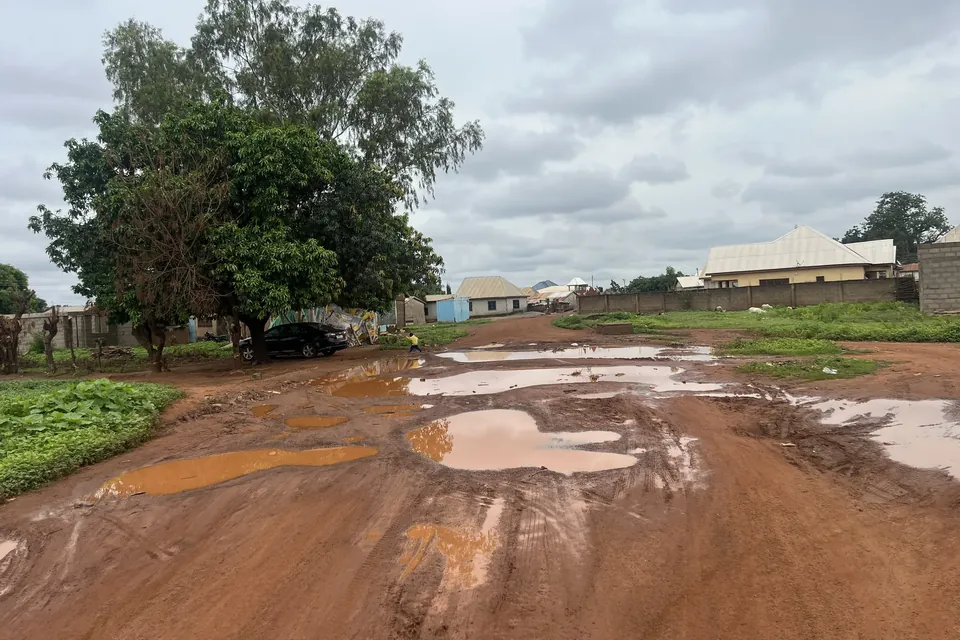
- Rainy-season flooding. The FCDO says flooding is common in the Upper West, North East, Northern and Savannah regions during the rainy season, from March to November.
- Vehicle crime. The FCDO says attacks on vehicles are increasing. Keep windows up and doors locked, especially when stationary.
- Police checkpoints. The US State Department says travellers are routinely stopped at police checkpoints and vehicles may be searched. The FCDO says not to give cash to the police, as it can be seen as a bribe.
Ask the firm how it handles these: whether its drivers will stop before dark, whether it can supply a second vehicle for convoy travel, and how drivers stay in touch with your base. If your work takes you to Mole National Park or the north, our 4x4 car hire & rental guide for northern Ghana covers routes and vehicles. For general road risks, see is it safe to drive in Ghana?
Where to find firms
Our long-term car rental page lists firms that say on their own websites that they rent by the week or month, or lease vehicles. You can also search all car hire & rental firms by town and service, and send one enquiry to several firms at once.
Frequently asked questions
Can NGO staff and volunteers drive in Ghana on a foreign licence?
The UK FCDO says you can drive using the 1949 International Driving Permit or a Ghanaian licence. Citi Newsroom reports that a foreign licence with an IDP is accepted for up to 90 days, after which foreigners are treated as residents and must convert through the DVLA.
Is car insurance compulsory in Ghana?
Yes. The National Insurance Commission says it is legally mandatory to have at least third-party liability motor insurance. Ask the firm whether the vehicle has comprehensive cover and what you would pay after an accident.
How do I check that a hire vehicle is insured?
The Ghana Police Service says you can dial *920*57# and enter the vehicle's registration number to check its insurance status. Ask the firm for the insurer's name too, and check the insurer is licensed on the NIC website.
How long can a driver drive without a break in Ghana?
The Ghana Driver's Guide, summarising the Road Traffic Regulations 2012, says no more than 4 hours without rest, with at least 30 minutes' rest after each four hours, and no more than 8 hours in 24 hours or 500 km without rest. The NRSA says long journeys should have two drivers.
Should a field team self-drive or hire a driver in Ghana?
A driver is usually the practical choice, because they know local roads and conditions. If staff self-drive, check their licences, and remember the Ghana Police Service says the driver is responsible for making sure the vehicle is insured.
Is it safe to drive to northern Ghana for field work?
Check current advice before every trip. The US State Department says to reconsider travel to the northern border areas and west of the N12 in the Savannah Region, and the FCDO advises against all but essential travel to Bawku. Travel in daylight and follow your organisation's security plan.
How much does long-term car rental cost in Ghana?
It depends on the vehicle, the driver's hours, fuel, allowances and the length of the contract. Rates change often, so we don't publish averages. Check each firm's page on GhanaCarHire and ask for a written monthly quote.
Sources
- Ghana travel advice: safety and security (road travel, vehicle crime, flooding, driving permits) (UK FCDO)
- Ghana travel advice: regional risks (Bawku Municipality, Savannah Region) (UK FCDO)
- Ghana travel advisory and country information (Level 2, road safety, long-term stays) (US Department of State)
- Insurance products: motor insurance (third-party liability is legally mandatory) (National Insurance Commission (NIC))
- Verify a licensed entity (National Insurance Commission (NIC))
- TRAFFITECH-GH FAQs: roadside insurance checks and the *920*57# short code (Ghana Police Service)
- Ghana Card to be mandatory for motor insurance from January 2026 (NIC notice; TIN for corporate clients) (Graphic Online)
- Services: conversion of a foreign licence, international driving permits, roadworthy certificates (Driver and Vehicle Licensing Authority (DVLA))
- Explainer: How to get a driver's licence in Ghana in 2026 (90-day rule for visitors) (Citi Newsroom)
- Ghana Driver's Guide (Road Traffic Regulations 2012: maximum driving periods, seat belts) (Ministry of Roads and Highways)
- Rest when tired: NRSA advises drivers ahead of Easter (rest breaks and relay drivers, April 2026) (Ghana News Agency)
Last checked: 20 October 2026. Rules, prices and advice change, so recheck official sources before you travel.
Related guides
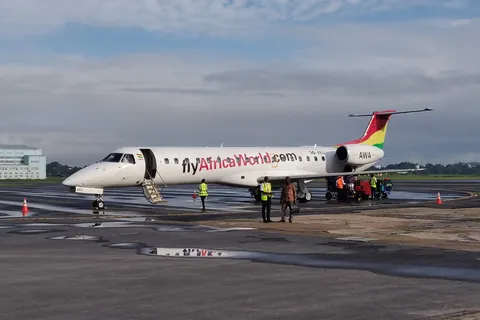
Car Hire & Rental in Takoradi for Oil & Gas and Business Visitors
Car rental and hire in Takoradi, Ghana: Takoradi Airport (TKD) pickups, chauffeurs for oil and gas and business trips, how pricing works and safety tips.
Photo: Sean Mendis, CC BY-SA 4.0